The advantage of all-in-one software for retail is that you manage everything clearly from a single system. Think of POS sales, inventory, prices, customer data, reports, and (webshop) orders. This saves duplicate work, reduces errors, provides real-time insight, and makes it possible to adjust more quickly.
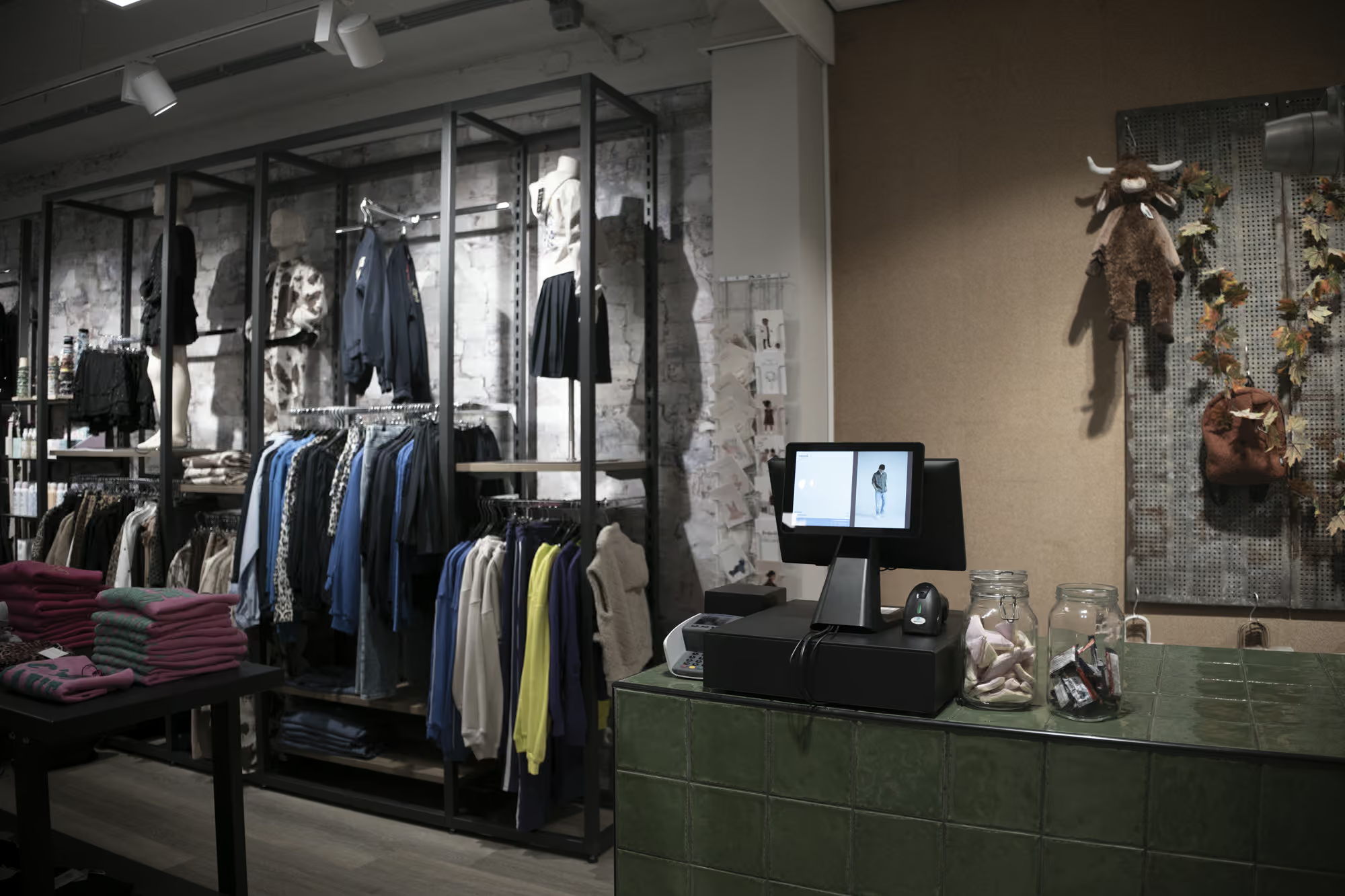
With StoreKeeper POS software and cash register system for retail, you can check out quickly, accurately, and easily. You continue selling reliably, even during peak moments. Thanks to real-time insight into revenue, inventory, and transactions, you can make immediate adjustments on the shop floor and stay in control of margins and performance.
With StoreKeeper webshop software, you generate more revenue from online sales. A fast, user-friendly shop increases conversion and reduces drop-offs during checkout. Inventory, prices, and orders synchronize seamlessly with your store, so you always show up-to-date information and prevent duplicate work.
Omnichannel marketing ensures one consistent customer experience, both online and in-store. You use customer data and purchasing behavior to run targeted campaigns, such as repeat-purchase emails, seasonal promotions, and personalized offers. This helps you build loyalty and increase customer value.
With an ERP and business management system, you centralize inventory, purchasing, suppliers, and product management. This provides clear overview, prevents errors, and makes processes scalable. Ideal for growth: multiple locations, a larger assortment, and more channels. You work from a single source and manage based on data.
With CRM and customer management, you build one complete customer profile, including purchase and contact history. This allows you to see customer value, repeat purchases, and average spending. Your segments become smarter, campaigns more relevant, and service more personal, so customers return faster and spend more.
With HR and staff scheduling, you have a clear overview of availability, leave, and time tracking. You schedule the right staffing levels based on busy periods, revenue, and peak moments. This improves service, prevents understaffing, and keeps labor costs under control, even with changing schedules.